NXP TDA19988BHN/C1557: A Comprehensive Technical Overview of the HDMI Receiver and Interface Processor
The NXP TDA19988BHN/C1557 is a highly integrated HDMI 1.4a compliant receiver and interface processor designed to manage multimedia data streams in modern display and audio/video systems. This system-on-chip (SoC) serves as a critical bridge, decoding high-definition audio and video from HDMI sources and processing it for various display interfaces and system controllers.
Core Functionality and Architecture
At its heart, the TDA19988BHN functions as a universal HDMI receiver. It accepts audio and video data from an HDMI source, such as a set-top box, gaming console, or media player. Its integrated TMDS (Transition Minimized Differential Signaling) core is capable of receiving high-speed digital video data at rates up to 3.0 Gbps per lane, supporting resolutions up to 1080p and beyond, including support for 3D video formats as defined in the HDMI 1.4a specification.
A key feature of this device is its integrated HDCP 1.4 (High-bandwidth Digital Content Protection) engine. This allows for the secure decryption of protected content, ensuring compliance with digital rights management requirements for commercial and consumer products.
Beyond simply receiving the signal, the chip acts as an interface processor. It can extract and process the audio and video data streams separately. The video data can be output on a 24-bit parallel digital RGB or YCbCr interface, making it compatible with a wide range of scalers, video encoders, or system-on-chip (SoC) processors. For audio, it features an I2S output port for uncompressed digital audio streams, supporting up to 8 channels, and includes an S/PDIF transmitter for outputting compressed audio formats like Dolby Digital or DTS.
Key Features and Applications
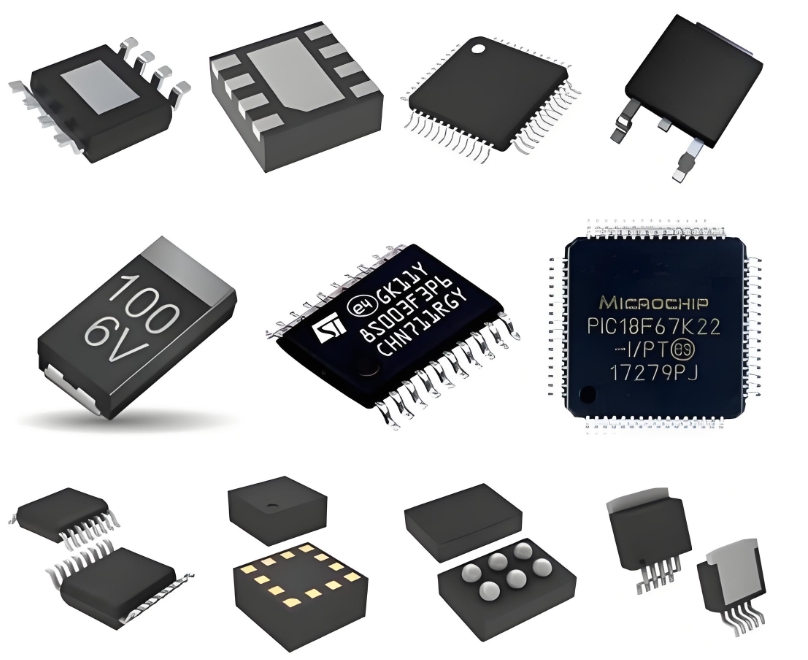
The TDA19988BHN is packed with features that make it a versatile solution for complex design challenges:
On-Chip EDID RAM: It contains internal memory to store the Extended Display Identification Data (EDID), which communicates the display's capabilities to the source device.
CEC Controller: An integrated Controller Area Network (CEC) engine enables high-level control functions between interconnected HDMI devices, allowing for user-friendly control schemes.
Low Power Management: The device supports various low-power states, which is crucial for meeting the energy efficiency requirements of modern consumer electronics.
Its primary applications include digital televisions, multimedia monitors, projectors, and audio/video receivers (AVRs). It is particularly valuable in designs where the main display processor lacks a native HDMI input or requires additional HDMI ports.
Design Advantages
The integration level of the TDA19988BHN/C1557 significantly reduces the bill of materials (BOM) and simplifies PCB layout. By combining the HDMI PHY, HDCP decryption, and interface logic into a single package, NXP provides designers with a robust and reliable solution that minimizes design risk and accelerates time-to-market for end products. Its ability to handle both audio and video processing eliminates the need for additional external components, streamlining the overall system architecture.
ICGOOODFIND: The NXP TDA19988BHN/C1557 stands out as a highly integrated and versatile solution for processing HDMI signals. Its combination of HDMI 1.4a compliance, integrated HDCP decryption, and flexible output interfaces makes it an essential component for designers building modern display and entertainment systems, offering a perfect blend of performance, security, and integration.
Keywords: HDMI Receiver, Interface Processor, HDCP 1.4, TMDS Core, I2S Audio Output

